


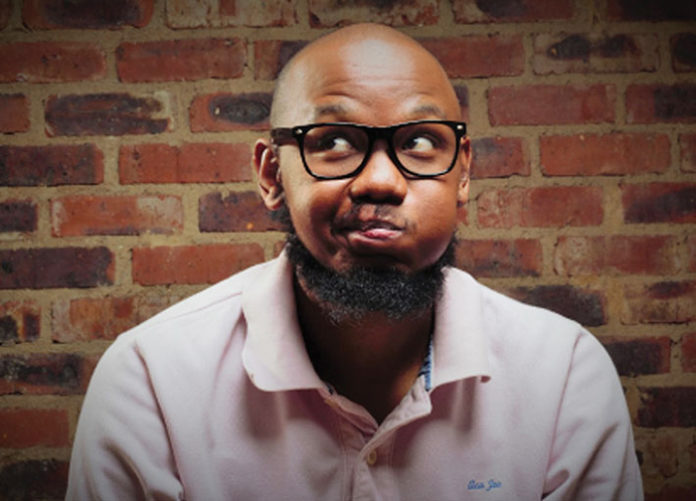
SAFTA nominated Zethu Mashika is an award winning film score composer. Mashika refers to himself as “an engineer of emotions.”
Mashika has scored a number of features films including, Zama Zama (2012), Skyf (2011), Hear Me Move (2014) and Last Ones Out (2015). Additionally, he has produced music for a string of commercials for brands such as MTN Zambia, Vodacom, KFC, White Star, IEC and SANBS as well as title sequences for various television shows.
On his website (www.zethumashika.com), Mashika explains what he does in his own words: “I create, modify and influence the way the audience responds to the picture. Through music, I also create the world of the narrative.”
How did you come to be the composer for Hear Me Move?
Cheryl Eatock, the line producer for Hear Me Move, sent me an email, asking me to come and meet the director and discuss the possibility of scoring the film. It was a short meeting, mostly discussing the synopsis and my availability. I then went on to read the script which helped me to pin point the key beats of the narrative, and then created some music sketches based on those moments. It was the sketches that won the director, which also lead him to giving me the creative freedom over the entire score. The sketches also indicated that we were on the same page with regards to engineering the emotional nuances of the film.
What was the brief from the director to you?
The keywords were, African, global, urban and heart-wrenching, in that order. He wanted to amplify the drama in the narrative, showcase the identity of African aesthetics, while keeping the film globally appealing. We had hours of in-depth discussions about the characters, their backgrounds, as well as the sound of modern day South Africa. Hear Me Move is not just a dance film, but a story about rivalry between two brothers and the pressure that comes with their father’s great demise. The challenge was musically blending this drama and placing the audience in that emotional space, while emphasising the magnitude of their issues.
Did you have to stick to this strictly or were you allowed some creative freedom?
The director insisted that I express my true musical perception of the story after he learnt the connection I share with the main character regarding his challenges in his art form. He was enthusiastic about hearing what I would come up with especially being so close to the story. Editors usually cut the film to reference music and some composers are okay with listening to the reference. It is important for me to watch the film without any reference music first, so I can explore the newest and most creative way to enhance the film. Reference music doesn’t give you much space to create something different, especially when the director starts to fall in love with that specific piece of music.
Where do you draw inspiration from while working on a composition?
I draw inspiration from simply reminding myself that the character’s journey is my own. It’s a matter of tapping into those experiences I faced and zoning into what I felt at the time. Expressing my feelings musically has become second nature to me so I basically re-live the experiences.
After being briefed, what is your creative process in composing a score? What are the steps you take from the start of production to the final product?
Usually when I start watching the first cut of the film, ideas start presenting themselves in my mind. Some scenes will spark an instant idea that I cannot put on hold. I immediately start scoring the scene and build onto it until I’m close to satisfied. So I start with the scenes that grab my attention and work backwards from there. It’s very rare that I work in chronological order. Sometimes I’ll immediately test the musical sketches I’ve composed prior to seeing the first cut. I have not yet had an instance where the musical sketches didn’t make it into the final film. Now and then, the director will come in to listen to the music that has been applied to picture and it’s at this point that detailed ideas are discussed if the music is different to what the director is looking for.
What equipment and software did you use in the composing process for Hear Me Move? Was there any particular reason for these choices?
I use various sample libraries that closely mimic an orchestra, and a digital audio workstation (DAW) that can handle the huge libraries. In Hear Me Move, I had to call in some vocalists that would be able to perform some of the pieces. Most of the male vocals were performed by me. Every instrument has its purpose in the score, it’s more than just about what sounds great.
I bought a drum machine that would allow me to play various cinematic percussions in order to add a human touch to the drums. Sometimes software sequencing can be too precise, removing the natural, real, off-beat elements of live music. You could create 16 channels of drums and draw the drum pattern out, but it’s better to play the drum pattern yourself 16 times which will have a better effect of building the sound as though 16 people were playing.
How do you make sure that your score complements the themes in the narrative? What devices do you use to emphasise or highlight certain moods or create tension?
For me, film scoring is a self-taught skill that I’ve developed over time. The only place I go to for inspiration is… feeling. I feel my way through the scenes and through the composing of the music. Every film and every scene demands its own way of expressing itself musically so there are particular tools used for particular emotions. It all depends on the film’s musical identity and the various ways to express the same emotion.


