


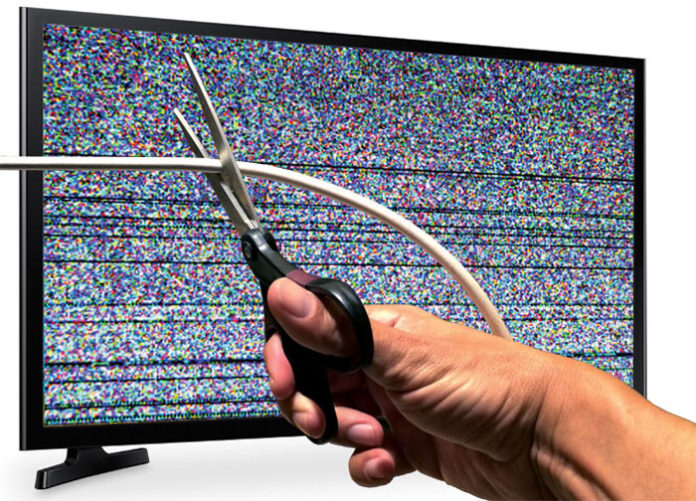
In mid-2016 cable sporting giant ESPN lost 492 000 subscribers; Comcast and Time Warner Cable have lost 2 per cent of their subscriber base since January. The list goes on and it’s plain to see that pay and cable services are struggling to adjust to the growing trend of cord cutting. Fed up with high prices and programming packages with hundreds of channels viewers just don’t want, cable and satellite customers across the world are booting out their service providers by cutting the cord and sourcing their TV programming via internet services. Nearly a third of all households in the US, for example, subscribe to a streaming TV service, like Netflix, Amazon Prime Video, and Hulu for example and with a growing number of apps available on consols like PS4 and Xbox 360, Blu-ray players, home theatre systems and smart TVs, cord cutters have all the technology available to access for what they want to watch and more importantly when.
One of the problems with cutting the cord today is losing access to the variety of news channels on offer. There are very few resources in the streaming world that can take their place. A company working to address this problem is Haystack TV, offering a personalised news service aimed specifically at cord cutters. Haystack TV is built around technology that gathers news stories from a variety of sources, analyses the information and then personalises the content based on criteria setup by the end user. Haystack TVs main feature is covering important trending news of the day and draws content from over 150 news organisations like CNN, Fox, BBC, Associated Press and the likes and covers a variety of sectors from world news to business news, technology and science through to entertainment news.
The idea for Haystack came from co-founders Daniel Barreto, previously the chief software architect at Wyse and a teacher at Stanford, along with Ish Harshawat, formerly the mobile architect at Cellfire. Combined, the two have launched products over the years which have reached millions of users on mobile and elsewhere, but what prompted them to begin working on Haystack TV in the first place was a personal frustration. As new cord cutters themselves, they found themselves lacking in options for watching TV news online in a way that mirrored the lean-back experience they were used to from their cable TV days.
Haystack then collects key information from social media commentators on Twitter, YouTube and Facebook for example and the software learns to understand what the content is about and who in their subscriber database would be interested in the story. The user initially trains the product by selecting their favourite categories and topics, and as it is used, the service adapts by learning what stories are being watched and which ones are being skipped. At the moment, all the content is selected by algorithms run by servers, not a human in sight to make any choices or decisions – is this a sign of the way our future viewing habits will be decided?
