


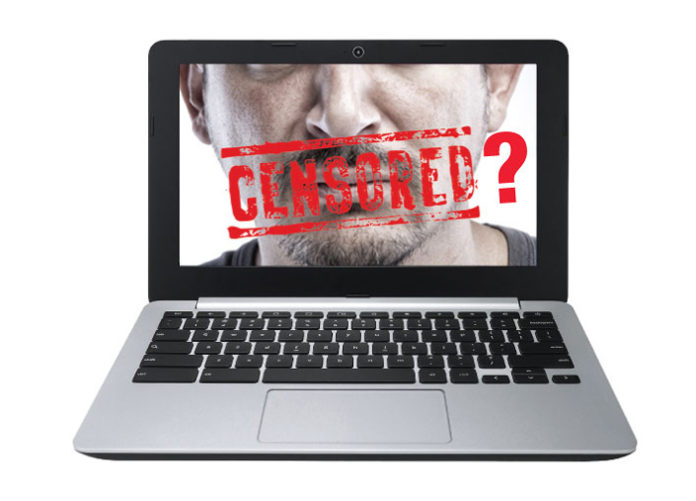
On 4 March 2015 the Draft Online Regulation Policy was released by the Film and Publications Board (FPB) and was published for public comment in the Government Gazette. According to the FPB the policy was brought about to establish a framework for content which is distributed online.
As described in the draft, this content includes films, games and publications as defined in the Films & Publications Act of 1996. The Act also defines publications to include content uploaded on the internet through social networks and this includes self-generated content uploaded or posted on social media platforms.
A backlash reaction from the public as well as a number of organisations ensued, resulting in petitions against the policy and accusations that it would threaten South Africans’ right to freedom of speech. The Draft Online Regulation Policy will soon go before cabinet and, according to the FPB, a final draft will be released before July 2016.
Though some may agree that there is a need for some kind of content regulation in the digital space, the terms in the policy have been criticised as being too broad, and with video and film distributors looking more and more to the online space as a primary platform for distribution there are concerns as to how this will affect content creators in the industry. Filmmakers and video content creators operate in a very competitive environment where if the release of their work is delayed it may no longer be relevant or compelling. Consider breaking news footage or a film with a time-dependant plot.
FPB chief operations officer Sipho Risiba says these factors have been taken into consideration. “We took the decision to come up with co-regulation, which will allow registered and accredited filmmakers, distributors and producers to self-classify their material using our act and classification guidelines, under the regulatory oversight of the FPB. From time to time we will conduct industry audits to check that indeed our guidelines are being used in accordance with the Act and to ensure that publishers are registered because not everyone will have access to our logo,” he explains. As the Act already exempts content published by Press Council members the draft policy has since been amended to extend this exemption to online publications by such publishers.
But Micah Reddy, an organiser with the Right2Know campaign, says that distributors could face heavy registration fees in order to have their content classified and believes that any classification which takes place prior to publishing is censorship.
“If our constitutionally-enshrined freedom of expression and freedom to impart and receive information are to be respected, then publishers should be free to publish and be damned. There are instances where prior restraint of publication is legitimate – for example through a court interdict – in order to prevent a grave injustice, but this is something that must be used in an extremely circumscribed way,” comments Reddy.
With regard to social media and pre-classification Risiba refers to the controversial YouTube clip posted by Rabboni Ministries, which showed congregation members eating grass. Following complaints about the video, the FPB submitted a compliance notice to Google requesting that the video be rated as unsuitable for children under the age of 13 or removed because it contained imitative acts, and the video was taken down.
“Section 16 of the Act basically says that you don’t have to submit for pre-distribution before you post for classification but that if you post something and the next person is offended, that person would have a right to lay a complaint with the FPB. Then, if we feel the complaint has merit, we can put together a committee that would look into the complaint,” comments Risiba.
Section 16 of the Act also outlines certain restrictions such as the propaganda of war or the incitement of violence and hate speech, which require publishers to submit content for pre-publication classification as it is outlawed and prohibited – unless it is a documentary of scientific or artistic merit or is matter of public interest. Risiba further remarks, “In the main, there is no obligation for any person to submit any posts for Twitter for instance – that would be a restriction to the right to freedom of speech and we don’t want that. People should be able to engage.”
The new policy could have additional consequences for distributors and filmmakers, who according to Risiba will no longer be able to claim ignorance on issues of regulation and classification as they will now be clearly outlined. Without wanting to create barriers to market entry or impede their entrepreneurial endeavours, the FPB aims to hold more content creators responsible for what they produce online. “I think over the years we have been soft on distributors mainly because we felt that we hadn’t done enough in terms of advocacy, public awareness and education,” says Risiba. “With this policy no one can be ignorant and say they don’t know. By now it has been widely publicised. We’ve now opened up channels for communication and engagement that will create a lot of access.”
Reddy maintains that there is already a regulation framework for online content. Websites like YouTube have community guidelines which are quite effectively enforced and illegal conduct online is prosecutable. He adds: “Any regulation of the internet itself must be light touch regulation and must meet the test of not unjustifiably infringing on free expression.”
Risiba concludes: “The FPB has never claimed to have a magic wand to address all online challenges hence the policy strongly advocates cooperation and co-regulation. To this end, the FPB welcomes the efforts and technological contributions by industry to ensure protection of children from harmful online content. That being said, the FPB still has a responsibility to create a regulatory framework for content regulation in the country.”
