


This is a year of historically significant landmarks in South Africa, according to the National Film and Video Foundation (NFVF).
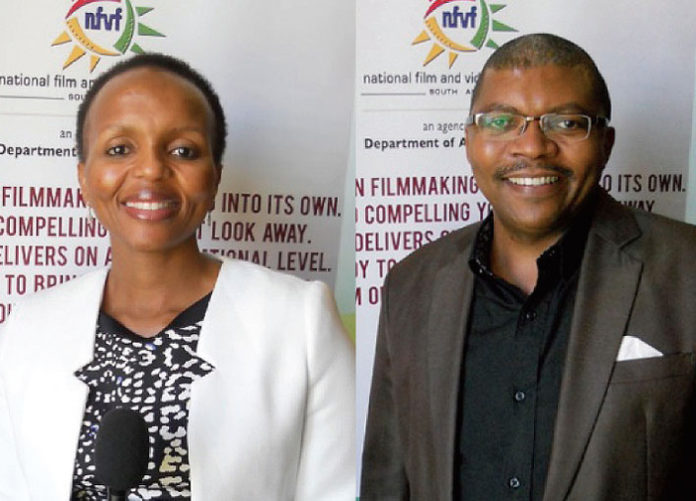
In light of these, the NFVF plans to “promote social cohesion and correct imbalances of the past,” says Zama Mkosi, CEO of the NFVF. Plans include audience development and a study to assess the economic impact of the film industry in South Africa.
Speaking at the NFVF head offices in Johannesburg, on 4 May 2016, Mkosi gave feedback on the funding approvals from the last year and shared the annual performance plan as had been presented to the portfolio committee in Parliament the week before. As of April 2016, the NFVF changed its funding cycle from a four-month to a three-month annual cycle.
“In this financial year the NFVF will fund the development and production of films of historical significance: two documentaries featuring the 40th anniversary of the Soweto Uprising. And two documentaries featuring the 60th anniversary of the women’s march to the Union Building in protest of the Pass Laws in 1956.” She said a call had been issued to fund these documentary films.
“To address the issue of transformation within the film sector the NFVF has reallocated its budget to ensure increased funding for emerging black filmmakers in partnership with the IDC,” says Mkosi. More resources will be directed towards new entrants into the industry. “This intervention is geared towards first time filmmakers to give them a calling card into the film industry,” she adds.
Mkosi explained that the NFVF will embark on a nationwide public screening campaign during the months of June (Youth month), August (Women’s month) and December.
In the last quarter, three production companies received funding for three years and during this financial year the NFVF will support four black-owned production companies over a three-year period as part of the Enterprise Development Programme. This programme saw the NFVF enabling the making of the hit films Ayanda, Happiness, Hard to Get and Mrs Right Guy.
The NFVF hopes that the film industry will move beyond project-to-project funding and position South Africa as the premier film producer of the continent. The foundation is pursuing new partnerships with BRICS countries and co-production opportunities to expand the industry.
“In the 2016/17 financial year, we will continue to play a leading role in the growth of our industry, addressing the needs of the stakeholders and broader film community. The NFVF has committed itself to enabling the industry, doing so through production and development, policy and research, funding and governance. We would like to assure the industry that we will continue to implement our strategic priorities with integrity, and are working towards improving the quality of life for ordinary South Africans,” says Mkosi.
She confirmed that the NFVF will continue its support of women and youth filmmakers, a project which, during the past two years, has seen the production of 20 films by young filmmakers and 20 films by female filmmakers. The NFVF has also concluded a deal with the SABC to screen these films during youth and women’s months.
Peter Kwele, head of marketing and communications at the NFVF, explained how their national internship programme worked and introduced 15 interns from the Johannesburg office. Partnering with the Department of Arts and Culture in regard to school programmes, the annual bursary exceeded 100 students and they have more than 80 interns nationally.
“The NFVF will continue its partnership with the MICT Seta,” he says. These interns have been placed at various broadcasters, film commissions and production houses across the country.
