


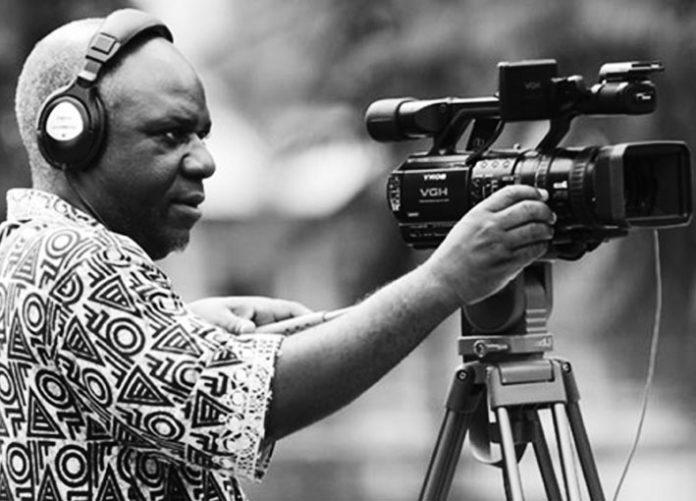
“When I started off I wanted to be as unique and myself and authentic as I could,” says Malawian filmmaker Shemu Joyah. “So I explored stories that relate to Malawian life. I wanted to tell the Malawian story with a Malawian touch, because you only have your own story to tell based on your surroundings.”
Malawi is one of the poorest countries in sub-Saharan Africa. With a population of more than 17.5 million, the country has had its fare share of challenges: population growth, ever increasing pressure on agricultural lands, corruption and the scourge of HIV/AIDS.
But despite all these social misfortunes, its people have a positive outlook on things and some transcend the issues to make a difference through storytelling.
Born to Zimbabwean parents in 1959, Charles Shemu Joyah is one of those creative voices that Malawi is proud to have produced. The award-winning filmmaker wears African prints on set and works with casts of ordinary people. He roots his scripts in things that affect his everyday life; themes like poverty and injustice are a recurring theme in his stories.
To him realism is critical.
“They have to be authentic, not fake,” Joyah says. “If you have a normal set, with normal characters as cast, you tend to get magic in your film and that is what I like about my films: the authenticity that brings the Malawian story to life.”
Joyah began making films in 2006. He saved and bought his camera and three years later he went out to release the film Seasons of Life. The story is about a young girl who gets impregnated by her employer and is forced to stay silent because he pays her school fees. The film won two awards at the Zanzibar Film Festival in 2009.
Joyah says: “That was really encouraging to see how creativity is appreciated by fellow Africans.”
The self taught filmmaker is a B.Sc. holder in mathematics and physics from the university of Malawi, Chancellor College, with an additional honours degree in surveying and mapping from East London University.
“Most people won’t believe it but I currently work as a land scientist in Malawi and provide consultancy services in land and real estate to finance my creative passion.”
Among the world’s least-developed countries, Malawi’s economy relies heavily on agriculture because it has a large rural population. For years the country has depended on external aid to meet its development needs.
“If you were to look at the challenges that we face as a country you won’t be able to look at the bright side of things because, every report is depressing: no jobs, no money, and no proper infrastructure to run things,” Joyah says. “But all in all art and creativity has its share of importance in our development goals.”
In 2013, Joyah released his second film –The Last Fishing Boat, a powerful narrative about the life of a fisherman whose source of revenue is transformed by the tourism industry. The story depicts how the fisherman copes with the massive changes to his traditional way of life.
The film went on to win numerous awards around the world including, Best Narrative at the Silicon Valley African Film Festival in California, and an award for Best Soundtrack at the Africa Movie Academy Awards.
The entire film was shot in his house and his wife was by his side all the time, preparing meals for the crew.
Joyah adds: “It was a great experience that I will never forget for the rest of my life.”
Now confident and a household name in his own right, Joyah believes the things that will make Malawian film great are embedded in the challenges that he faces.
“I look at these shortcomings in film as a proponent to creating great stories that will be made known to the rest of Africa and the world.” He continues: “Most people associate poverty, lack, scourge with a dark theme, but we can lighten things up by capturing these subjects through a brighter perspective.”
With poor distribution avenues and piracy, the filmmaker thinks, it’s a lack of skills that is a major problem.
“As a filmmaker, I will understand if my film is out there without my permission because we live in the age of internet of things but more so, the greatest problem we face in Malawi right now is having unskilled filmmakers and creatives. That poses a greater tragedy for African creativity.”
He thinks this is one of the reasons why Malawian films are ignored on the international festival circuit. “The art of filmmaking is storytelling. It reaches deep into our souls. Filmmaking brings to life something that was just words on the page. It is only fair if films are done professionally to be appreciated by the rest of the world.”
